Category: Saikan
-
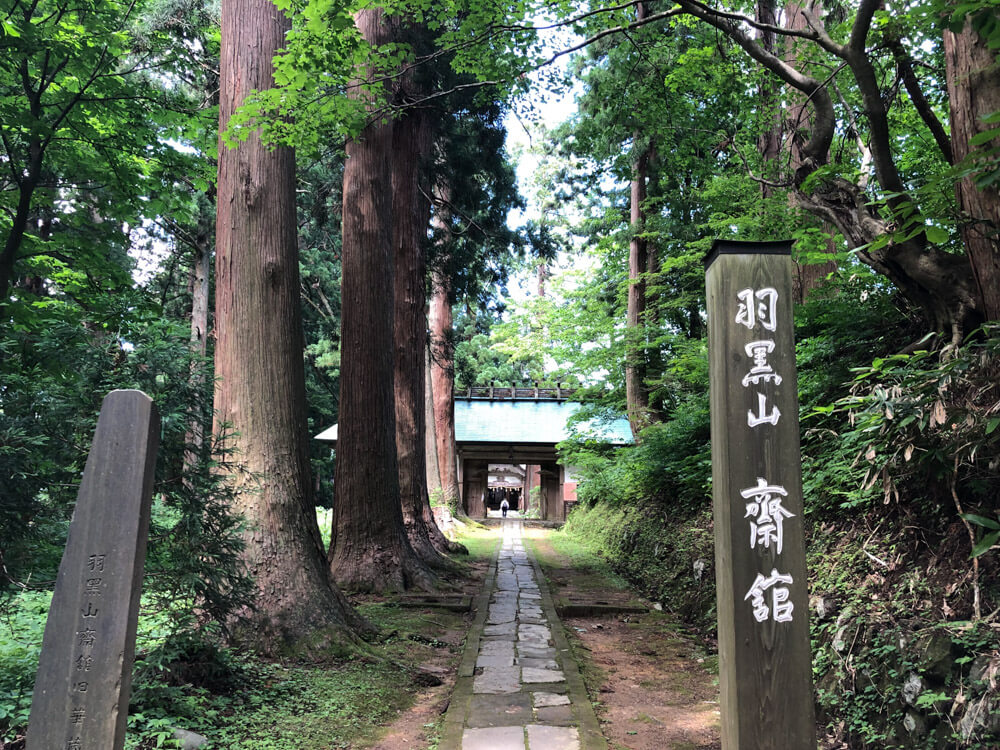
Saikan: Shrine Lodging on Mt. Haguro
Meticulously placed stones line the path off Haguro-san‘s stone stairway that leads up to the ancient entrance of an enchanting place, Saikan. Saikan is a former temple that provided generations of Yamabushi mountain monks all they needed for training; altars for rituals, Shojin Ryori (Ascetic Cuisine), Shiroshozoku garments for purification, and of course, lodging. These…
-
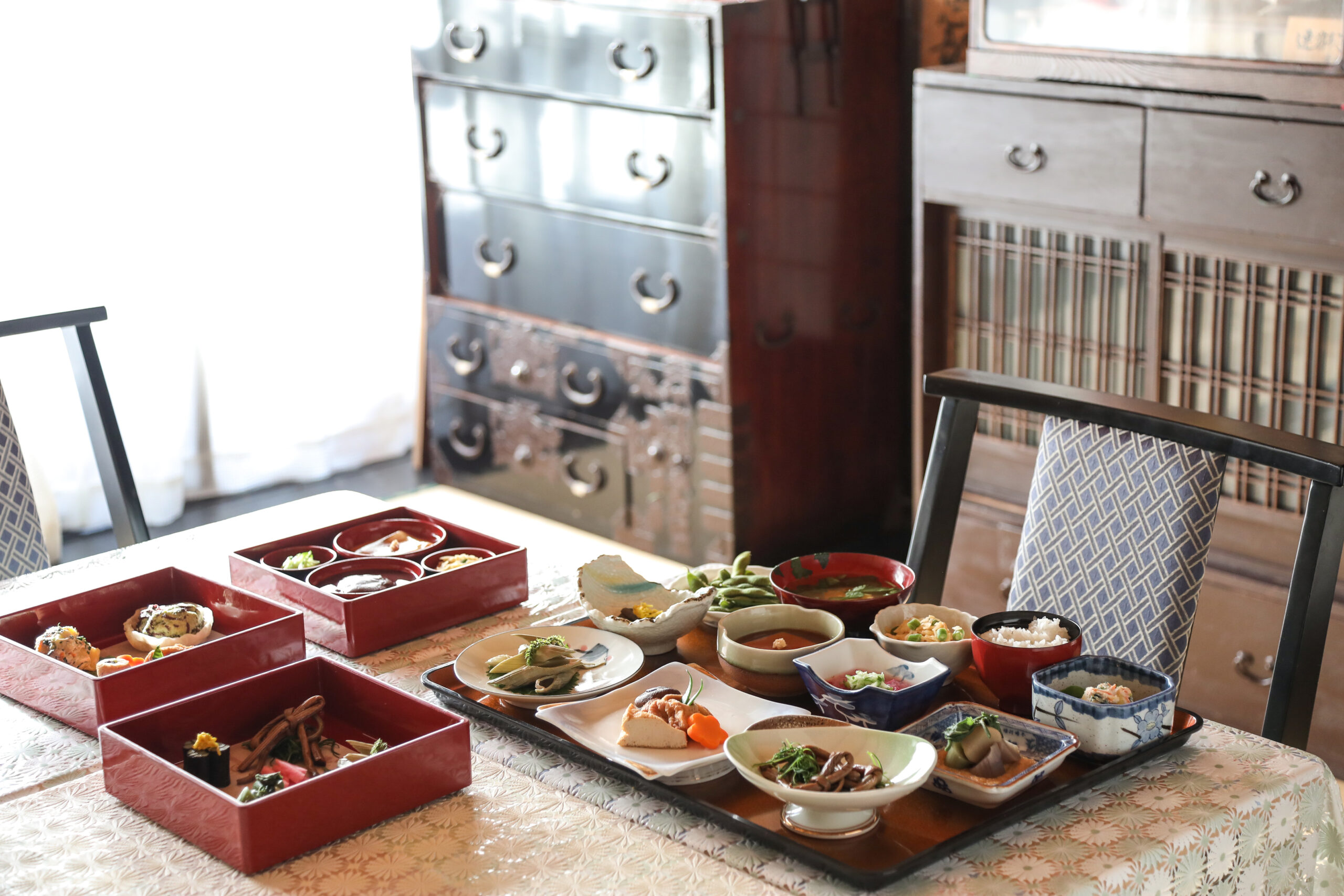
Why You Simply Must Try Dewa Sanzan Shojin Ryori
Why You Simply Must Try Dewa Sanzan Shojin Ryori If you’ve paid a visit to a Zen temple in Japan before, chances are you would have tried Shojin Ryori. Known for its almost exclusive use of local vegetables, zero waste policy, and unprecedented impact on Japanese cuisine, Shojin Ryori spread throughout Japan along with the…
-
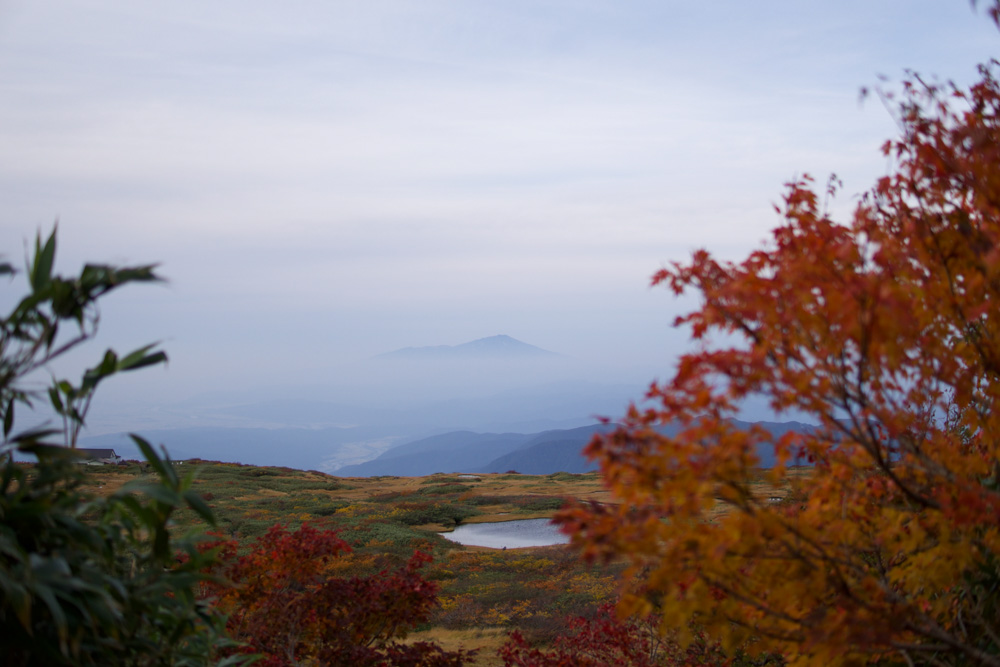
Autumn on the Dewa Sanzan
Autumn on the Dewa Sanzan “There are days that are clearly summer days, and then there are days that are clearly autumn days. However, we never say ‘today is summer, and tomorrow is autumn’.” Master Hoshino of Daishobo Pilgrim Lodge on Mt. Haguro Master Hoshino of Daishobo Pilgrim Lodge is famous for saying that the…
-
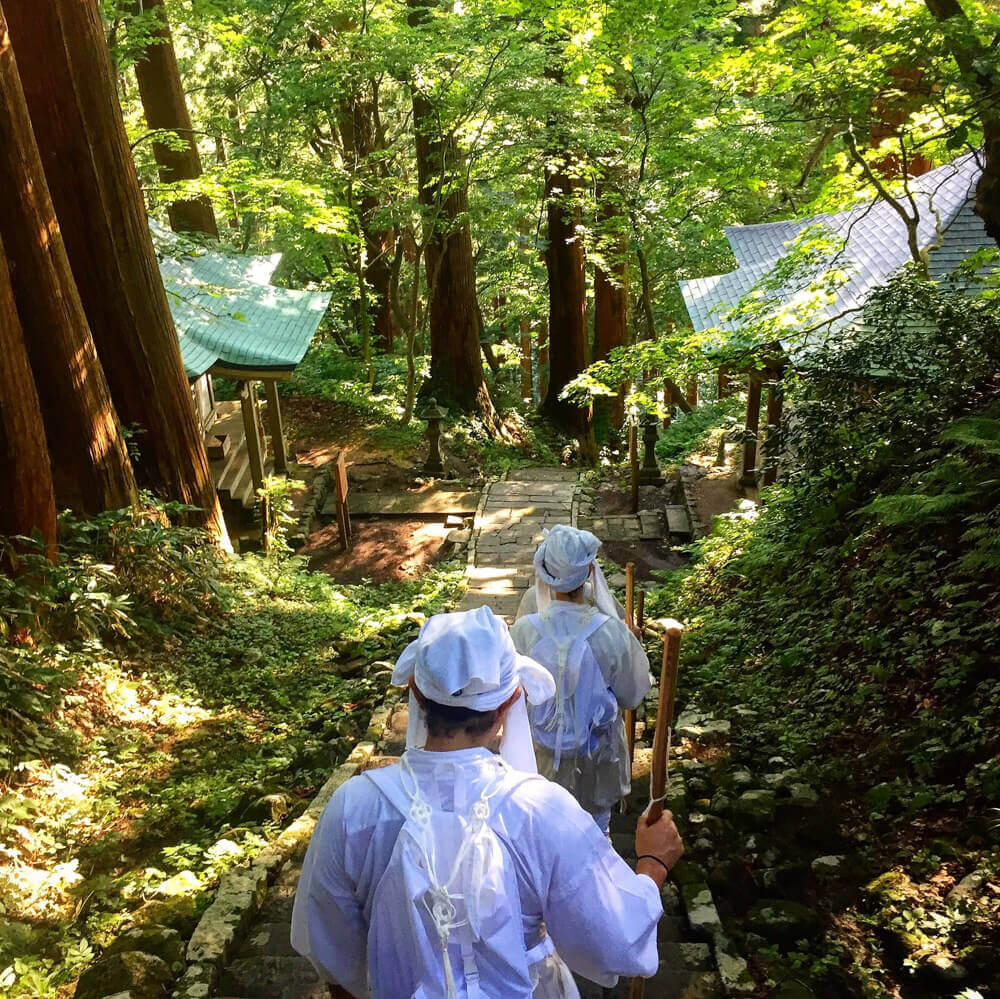
Dewa Sanzan Hiking and Itineraries
Why Hike the Dewa Sanzan? To truly get the most out of a Dewa Sanzan hike, it’s important to understand exactly how the three mountains became a centre for spiritual rebirth in the first place. Since ancient times, the Japanese have regarded mountains as an abode of the gods, a sacred location holding all of…
-
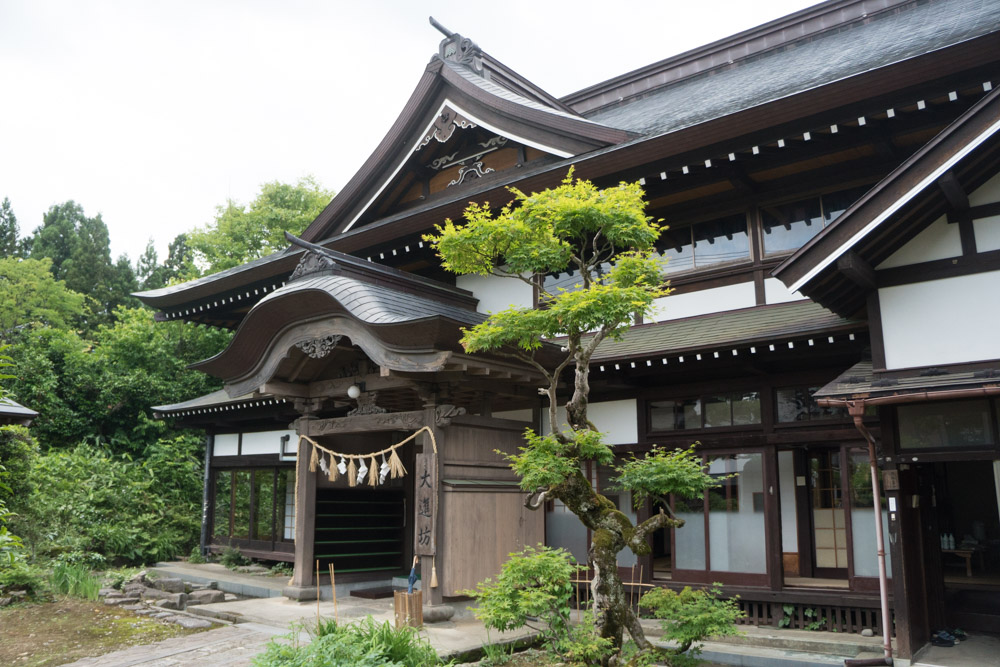
Shukubo Pilgrim Lodges on Haguro-san
For the true Dewa Sanzan experience, for the true Japan experience, you can’t go past the Shukubo Pilgrim Lodges of Haguro-san. Shukubo are purpose-built lodges established long ago for those making a pilgrimage on the Dewa Sanzan. Although some people think of this as a form of temple lodging, that is not quite correct. Let’s take…
-
Channel Matsuo Basho on the Dewa Sanzan
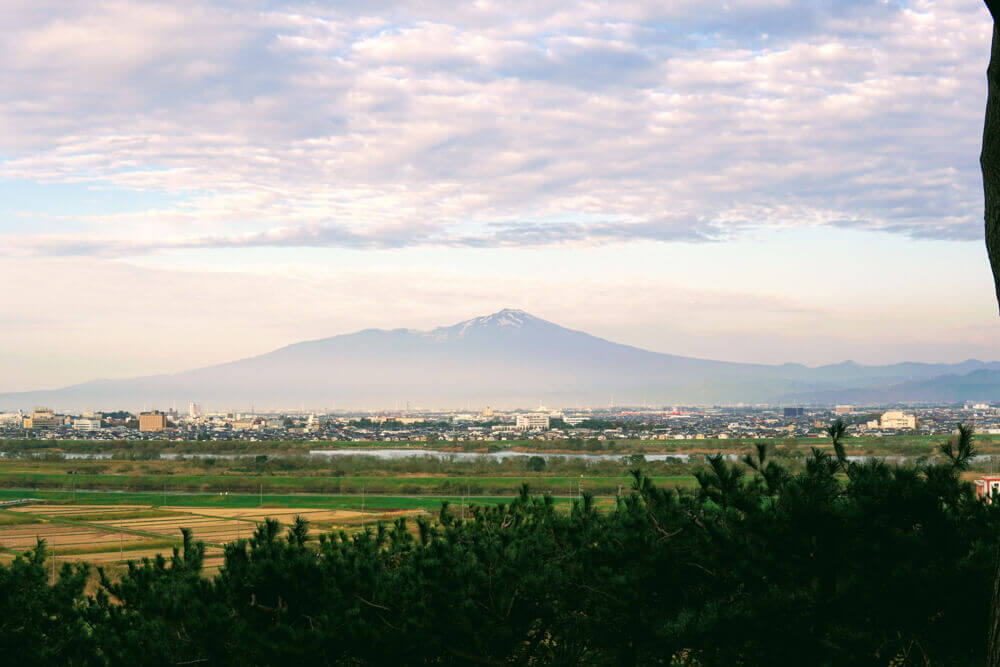
Channel Matsuo Basho on the Dewa Sanzan On an early spring morning in 1689, Matsuo Basho awoke from his sleep in Bashoan, his residence in Edo, modern-day Tokyo. By that time, Basho’s fame as a Haiku and Renga poet had afforded him a life of luxury. Wherever Basho travelled, his apprentices treated him like royalty.…